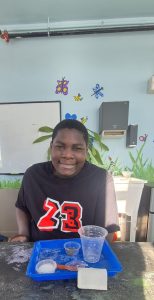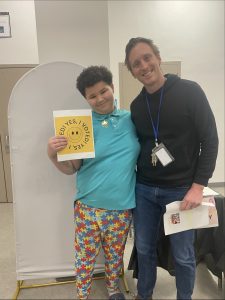
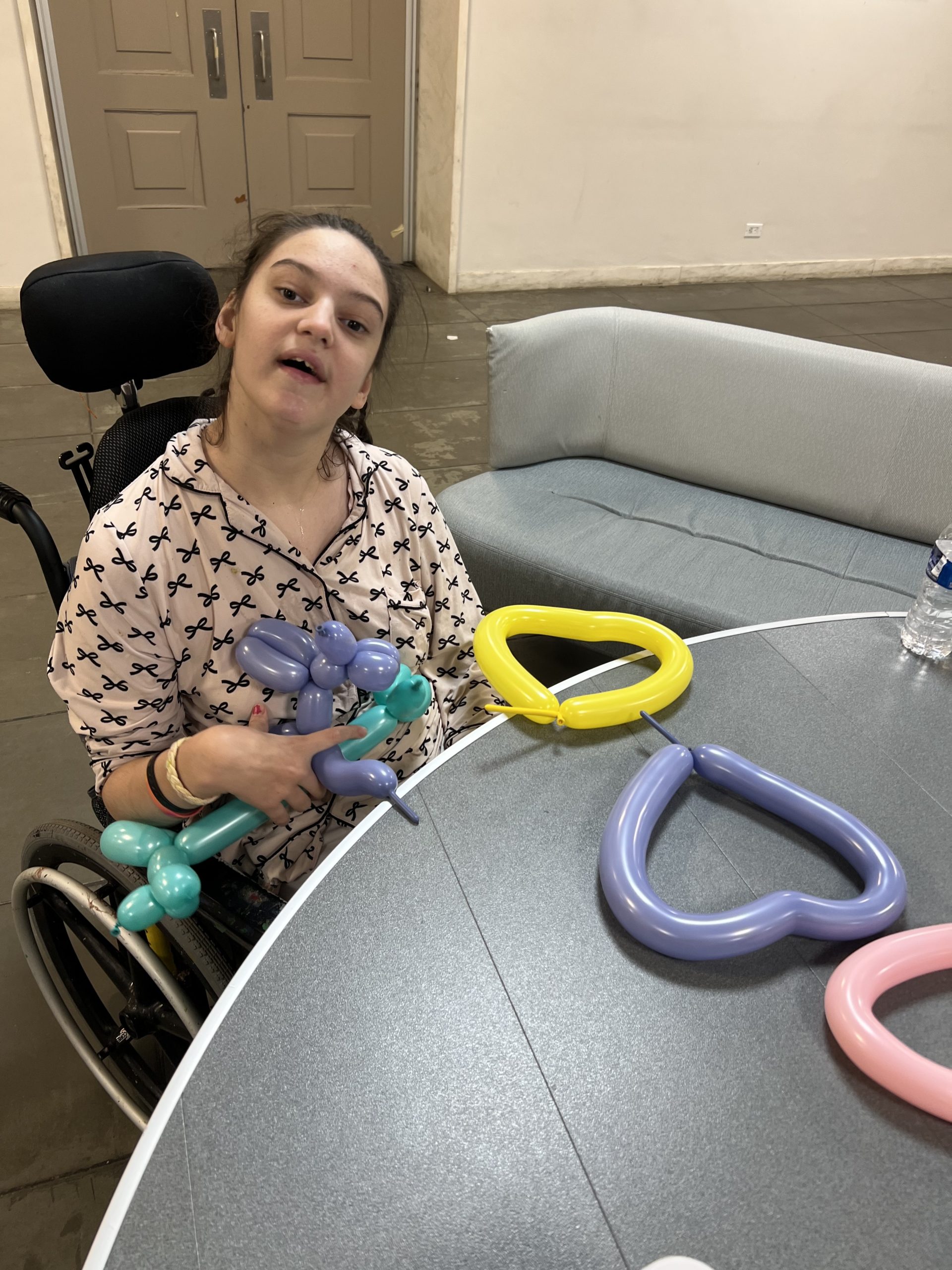
Shrub Oak International School recently introduced a balloon twisting workshop led by one of its talented staff members, and the enthusiastic response from students has made it clear that this activity will continue as an ongoing offering. What began as a single creative session quickly became a favorite, with students eagerly engaging in the process of transforming simple balloons into colorful animals, shapes, and imaginative designs. The workshop exemplified Shrub Oak’s commitment to providing meaningful, accessible activities that support creativity, engagement, and individualized learning.
Balloon twisting offers students an opportunity to participate in a hands-on art form that balances structure with open-ended expression. Following demonstrations of the technique, students were encouraged to experiment at their own pace, choosing colors, shapes, and levels of complexity that felt comfortable to them. This flexibility allowed each student to experience success, whether by creating a simple twist or completing a more intricate design. The process emphasized exploration and enjoyment rather than a finished product, reinforcing Shrub Oak’s emphasis on learning through experience.
From a sensory perspective, balloon twisting is a rich and engaging activity. The tactile feedback of the balloons, the gentle resistance as they are twisted, and the visual contrast of bright colors all contribute to sensory input that many autistic students find regulating and motivating. By incorporating these elements naturally into a creative workshop, balloon twisting provided sensory benefits without overwhelming students.
The workshop was also particularly inclusive for students with limited mobility and those who experience challenges with fine motor skills. Balloon twisting can be adapted easily, allowing students to participate using larger movements, partial assistance, or collaborative approaches. For some students, holding or stabilizing a balloon while another person twisted it offered a meaningful way to engage without physical strain. For others, practicing simple grips and twists supported the development of hand strength and coordination in a low-pressure environment. Occupational therapy research highlights that playful, functional activities can help build fine motor skills while maintaining motivation and enjoyment, making balloon twisting a practical and effective choice.
Equally important was the social component of the workshop. Students naturally shared materials, asked for help, and proudly showed their creations to peers and staff. These interactions supported communication and social engagement in an organic way, aligned with Shrub Oak’s transdisciplinary approach to education.
Given its success, the balloon twisting workshop will continue as a regular activity, offering students an inclusive, adaptable, and enjoyable way to engage creatively. By blending sensory input, accessibility, and social interaction, this workshop reflects Shrub Oak International School’s ongoing commitment to providing thoughtful, student-centered experiences that meet learners where they are and encourage them to explore new skills with confidence.