Students from Shrub Oak International School continue to expand their learning beyond the classroom through ongoing educational trips to the American Museum of Natural History. Located in the heart of New York City, the museum offers students an extraordinary opportunity to engage directly with science, history, and the natural world in one of the most renowned educational institutions in the country.
These trips are designed primarily for students in Shrub Oak’s Diploma cohort, providing meaningful connections to their academic studies. In the coming weeks, several students from The Pines, Shrub Oak’s assessment and stabilization program, are also scheduled to participate. Including students from both programs reflects the school’s commitment to offering enriching, individualized experiences that support a wide range of learning profiles.
One of the most memorable stops during each visit is the Hall of Biodiversity. This remarkable exhibit immerses students in the vast diversity of life on Earth, showcasing animals from ecosystems around the globe. Towering displays and carefully preserved specimens highlight the interconnectedness of all living things and the importance of protecting the planet’s natural resources.
As students move through the hall, they encounter mammals, birds, reptiles, fish, and insects representing thousands of species. The exhibit encourages students to think critically about the role each organism plays in maintaining healthy ecosystems. For many students, seeing such a wide variety of animals in one place sparks curiosity and leads to thoughtful discussions about conservation, habitat loss, and the balance of nature.
Another especially impactful moment comes when students examine a fossil of the dodo, the now-extinct bird native to Mauritius. The dodo has become one of history’s most recognizable examples of human-driven extinction. Studying the fossil gives students a powerful visual reminder of how human activity can permanently alter the natural world. This experience helps make abstract concepts such as extinction and environmental responsibility tangible and deeply meaningful.
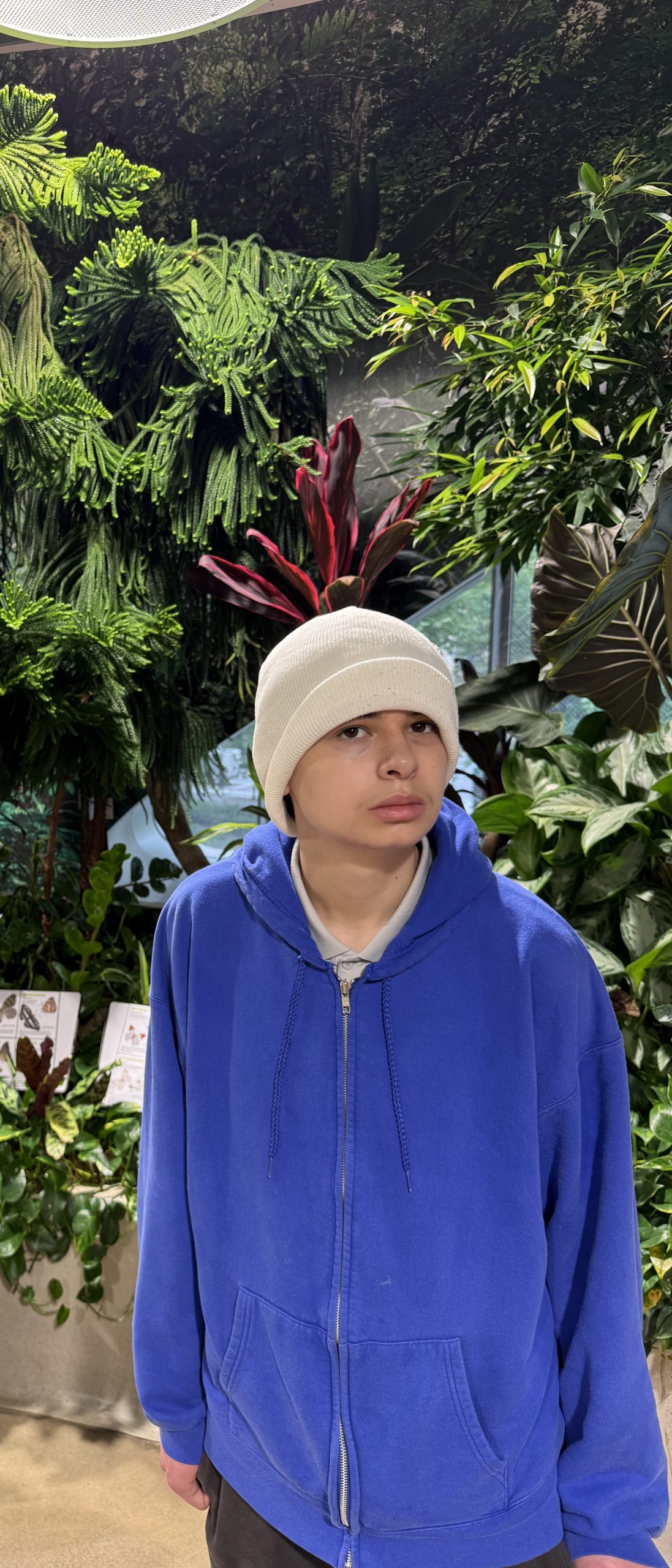
Students also spend time in the museum’s butterfly vivarium, a vibrant indoor habitat filled with free-flying butterflies from around the world. Walking among these delicate insects provides a close-up look at the remarkable genetic diversity that produces their brilliant colors, varied wing patterns, and unique sizes and shapes.
The butterfly vivarium is often a favorite part of the trip. Students observe butterflies landing nearby and witness behaviors that would be difficult to study in a traditional classroom. The experience offers an engaging way to learn about genetics, adaptation, and life cycles while also encouraging mindfulness and observation.
At Shrub Oak International School, experiential learning is an essential part of education. Trips to the American Museum of Natural History provide students with opportunities to connect classroom concepts to real-world experiences, deepen their understanding of scientific principles, and develop a greater appreciation for the extraordinary diversity of life on Earth.